ABOUT RED CROSS

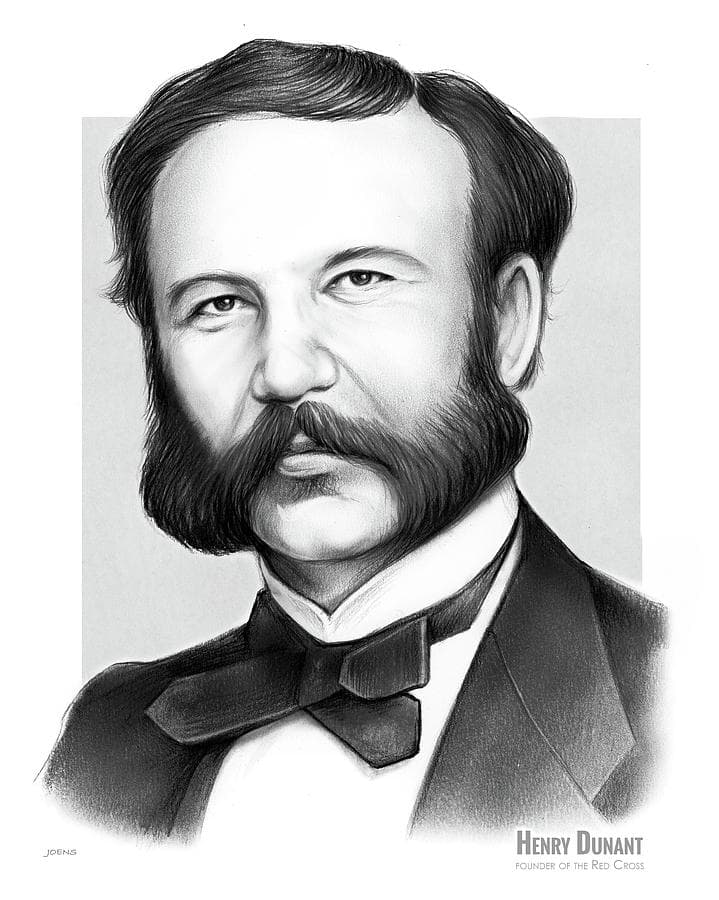
Henry Dunant

Origin and history

The Red Cross owes its origins to the vision and determination of one man Henry Dunant. On the 24th June 1859, in a town called Solferino in Northern Italy, the Austrian and French armies were locked in bitter battle and, after 16 hours of fighting, the ground was strewn with 40,000 dead and wounded. That same evening, Henry Duanant a Swiss citizen, passed through the area on business. He was horrified by the sight of thousands of soldiers from both armies left to suffer for want of adequate medical services. He appealed to the local people to help him tend to the wounded, insisting tha soldiers on both sides should be cared equally.

On his return to Switzerland, Dunanat published "A Memory of Solferino ", in which he made two solemn appeals:

  • For refief societies to be formed in peacetime, with nurses who would be ready to care for the wounded in wartime.
  • For these volunteers, who would be called upon to assist the army medical services, to be recognized and protected through an international agreement.

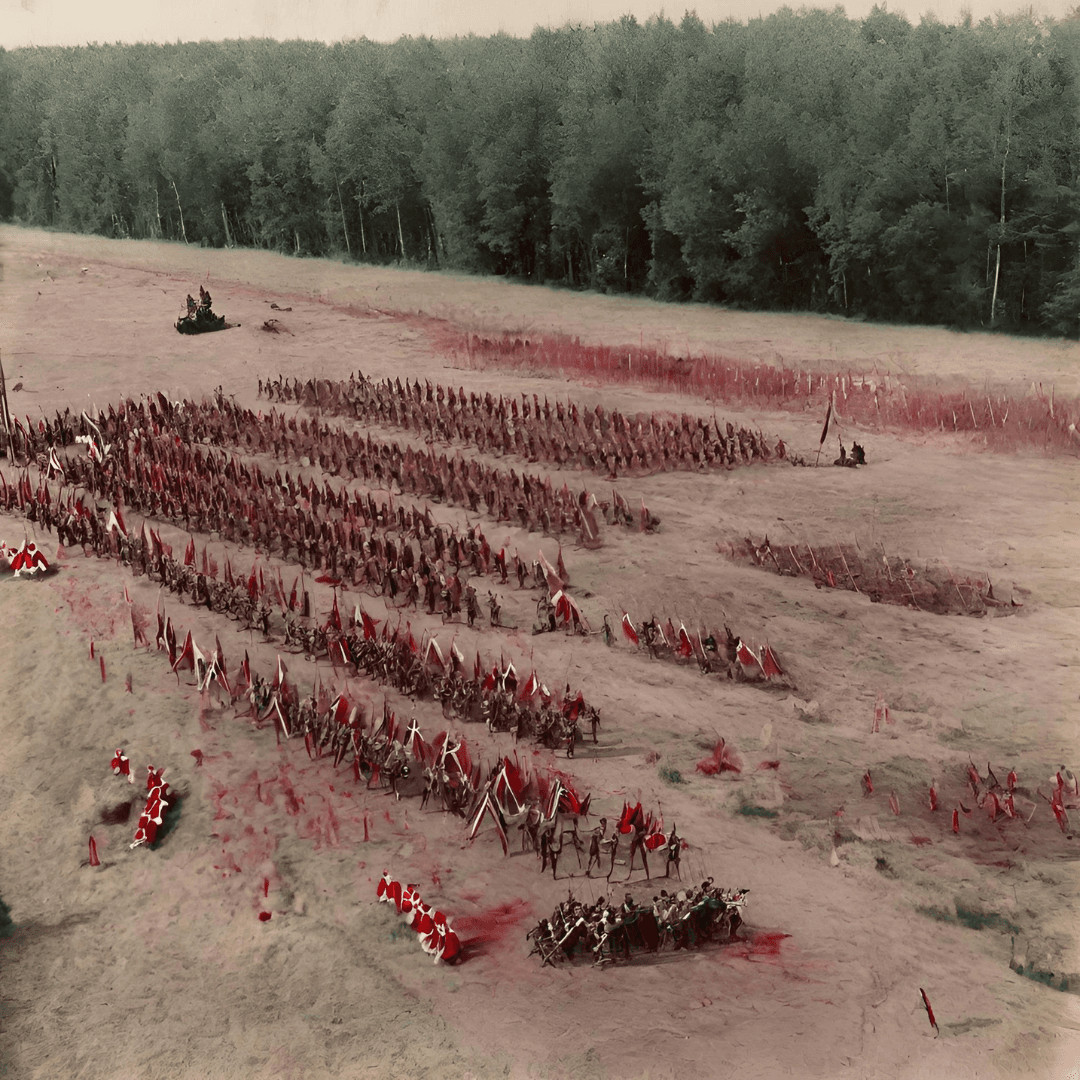
battlefield

In 1863, the Geneva Society for Public Welfare, a charitable association based in the Swiss city of the same name, set up a five member commission to consider how Dunant's idea might be implementd. This commission made up of Gustave Maynier, Guillaume - Henri Dufour, Louis Appia, Theodare maunoir and Dunanat himself founded the International Committee for relief of the wounded, which later became the International Committee of the Red Cross(ICRC).

The five founders then set about ensuring that the ideas put forward in Dunant's book would become a reality. In response to their invitation, 16 states and four philanthropic institutions sent representatives to the International Conferences which opened in Geneva on 16th October 1863. It was at that Conference that the distinctive emblem - a red cross on a white ground - was adopted and the Red Cross came into being.

To formalize protection of medical services on the battlefield and to gain international recognition of the Red Cross and its ideals, the Swiss government convened a Diplomatic Conference in Geneva in 1864. Representatives of 12 governments took part and adopted a treaty entitled the "Geneva Convention for the Amelioration of the Conditions of the Wounded in Armies in the Field". Which became the first treaty of humanitarian law. Subsequently, further conferences were held, extending the basic law to other categories of victims, such as prisoners of war. In the aftermate of the Second World War, a Diplomatic Conference deliberated for four months before adopting the four Geneva conventions of 1949, which reinforced the protection of civilians in wartime. In 1977, the Conventions were supplemented by two Additional Protocols.

About Red Cross and Red Crescent

The International Red Cross and Red Crescent Movement is present and active in almost every country and comprise around 100 million members and volunteers. It is united and guided by the seven Fundamental Principles which provided a universal standard of reference for all its memebers. Red Cross and Red Crescent activities have one central purpose; to prevent and alleviate human suffering, without discrimination, and protect human dignity.

Fundamental Principles: The Fundamental principles of the Red Cross and the Red Crescent movement, which is ICRC's duty to uphold, were officially proclaimed at the 20th International Conference of the Red Cross and Red Crescent, held in Vienna in 1965. They are: 1. Humanity; 2. Impartiality; 3. Neutrality; 4. Independence; 5. Voluntary service; 6. Unity and 7. Universality.

The movement is made up of:

  • The International Federation of Red Cross and Red Crescent Societies (Federation).
  • National Red Cross and Red Crescent Societies (National Societies).
  • The International Committee of the Red Cross (ICRC).
The International Federation of Red Cross and Red Crescent Societies is the world's largest humanitarian organization, providing assistance without discrimination as to nationality, race, religious believe, class or political opinions. Foundation in 1919 as league of Red Cross comprises 193 members Red Cross and Red Crescent Societies. The Federation's vision: To inspire, encourage, facilitate and promote at all times all forms of humanitarian activities by National Societies with a view to prevent and alleviate human suffering, and thereby contributing to the maintanance and promoting of human dignity and peace in the world. The Federation carries out relief operations to assist victims of disasters and combines this with development work which strengthen the capabilities of its members and National Societies. The Federation's work focuses on four core areas: promoting humanitarian values, disaster response, disaster preparedness and health and community care.

Indian Red Cross Society

Assam State Branch

Indian Red Cross Society Assam State Branch has been implemented the following major programs across the state:

  1. Disaster Management/ Disaster Risk Reduction programmes.
    1. Training & capacity building of district branches as well as the communities to reduce the risks of any disaster/ emergency and to protect the human suffering.
    2. Awareness programmes about disaster preparedness, risk reduction, health- hygiene- sanitation etc.
    3. VCA and need assessment
    4. Outreach activities like drills, community level activities on WASH, SBM etc.
    5. Training & orientation programmes in the district & communities for Behavioral change towards the development of the society & to increase the sense & value of humanity in the society.
    6. SERV programme to increase the number of skilled volunteer's team in the vulnerable communities to meet the risk of disaster.
    7. Activities linked with the Government programs for the development of the state.